Address
304 North Cardinal
St. Dorchester Center, MA 02124
Work Hours
Monday to Friday: 7AM - 7PM
Weekend: 10AM - 5PM
Address
304 North Cardinal
St. Dorchester Center, MA 02124
Work Hours
Monday to Friday: 7AM - 7PM
Weekend: 10AM - 5PM


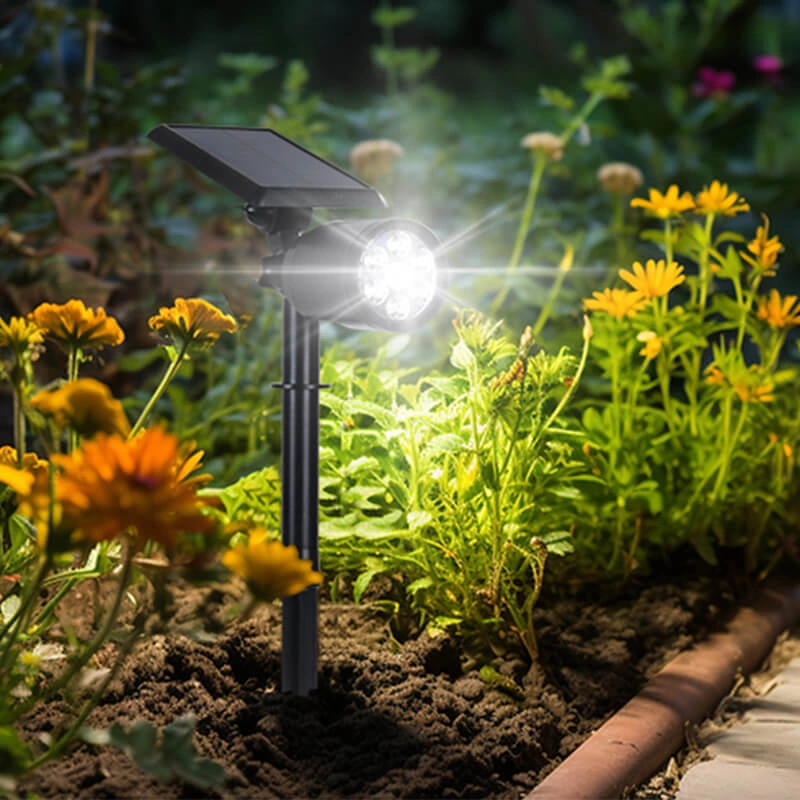
Solar lights are an excellent example of energy – efficient lighting solutions. They operate based on the principle of harnessing solar energy, a renewable and clean source of power.
During the day, the photovoltaic cells in solar lights absorb sunlight. These cells are made of semiconductor materials, usually silicon. When photons from sunlight strike the semiconductor material, they knock electrons loose, creating an electric current. This process is known as the photovoltaic effect. The generated electricity is then stored in rechargeable batteries within the solar light system.
At night or in low – light conditions, the stored electrical energy in the batteries is used to power the light source, which is typically an LED (Light – Emitting Diode). LEDs are highly energy – efficient compared to traditional lighting technologies like incandescent bulbs. They convert a large portion of the electrical energy into light, rather than wasting a significant amount as heat, as incandescent bulbs do.
Since solar lights rely on solar energy for charging and use energy – efficient LEDs for illumination, they consume far less electricity from the grid (if any). This reduces the overall demand for non – renewable energy sources such as coal or natural gas that are commonly used to generate electricity in power plants. Moreover, by using solar lights, there is no need for extensive wiring infrastructure in many cases, further minimizing energy consumption associated with installation and maintenance. In summary, solar lights save energy by tapping into the abundant solar resource and employing efficient lighting components.