Address
304 North Cardinal
St. Dorchester Center, MA 02124
Work Hours
Monday to Friday: 7AM - 7PM
Weekend: 10AM - 5PM


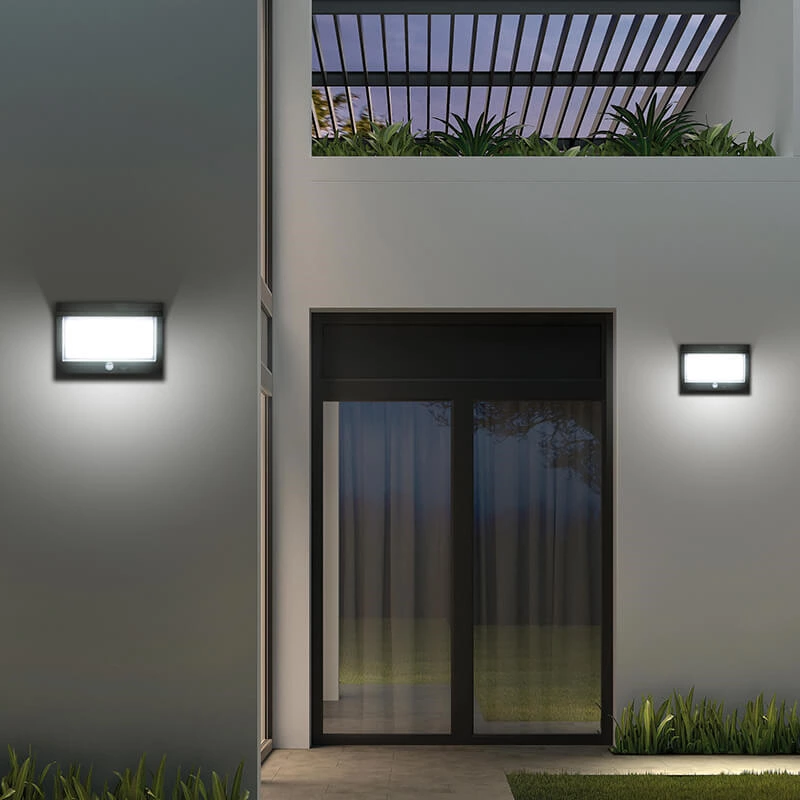
Solar lights have become increasingly popular in recent years, offering an eco – friendly and cost – effective lighting solution for a wide range of applications, from illuminating garden pathways to lighting up outdoor signs. Understanding how solar lights work can help you appreciate their efficiency and make informed decisions when using or purchasing them.
1. Solar Panel: Capturing the Sun’s Energy
At the heart of every solar light is a solar panel, typically made of photovoltaic (PV) cells. These cells are designed to absorb sunlight, which is composed of photons. When photons strike the PV cells, they knock electrons loose from their atoms, creating an electric current. This process is known as the photovoltaic effect.
Solar panels are usually made of materials such as monocrystalline silicon, polycrystalline silicon, or thin – film semiconductors. Monocrystalline silicon panels are the most efficient, converting a higher percentage of sunlight into electricity, while polycrystalline and thin – film panels offer more budget – friendly options with slightly lower efficiency rates.
The solar panels are strategically placed on the solar light to maximize exposure to sunlight. In most cases, they are located on the top surface, angled to capture the sun’s rays throughout the day.
2. Battery: Storing the Generated Electricity
The electricity generated by the solar panel during the day needs to be stored for use at night when there is no sunlight. This is where the battery comes in. Solar lights typically use rechargeable batteries, such as lead – acid, nickel – metal hydride (NiMH), or lithium – ion batteries.
As the solar panel generates electricity, it flows through a charge controller, which regulates the amount of current and voltage going into the battery. The charge controller ensures that the battery is charged safely and efficiently, preventing overcharging, which can damage the battery, and also protecting it from over – discharging.
During the day, when the sun is shining, the battery gradually accumulates energy. The capacity of the battery determines how long the solar light can operate on a single charge. Higher – capacity batteries can power the light for longer periods, but they also tend to increase the cost and size of the solar light.
3. Light Source: Illuminating the Surroundings
Once it gets dark, the stored energy in the battery is used to power the light source. Most modern solar lights use light – emitting diodes (LEDs) as their light source. LEDs are highly energy – efficient, converting a large portion of the electrical energy they receive into light, rather than wasting it as heat like traditional incandescent bulbs.
LEDs also have a long lifespan, lasting for tens of thousands of hours, which means they require minimal maintenance. They come in various colors, brightness levels, and beam angles, allowing for a wide range of lighting effects.
When the ambient light level drops below a certain threshold, a built – in light sensor in the solar light detects the darkness and triggers the battery to start supplying power to the LED. The LED then emits light, illuminating the desired area. Some solar lights also come with additional features, such as motion sensors, which can further enhance their functionality and energy – saving capabilities by only turning on the light when motion is detected.
4. Charge Controller: Managing the Energy Flow
As mentioned earlier, the charge controller plays a crucial role in the operation of solar lights. Besides preventing overcharging and over – discharging of the battery, it also helps to optimize the charging process based on the available sunlight and the battery’s state of charge.
During cloudy days or when sunlight is limited, the charge controller adjusts the charging current to ensure that the battery still receives a steady supply of energy without being overtaxed. It also monitors the battery voltage and temperature, making real – time adjustments to protect the battery from damage and extend its lifespan.
In conclusion, solar lights work through a coordinated system of components that capture, store, and utilize the sun’s energy to provide illumination. Their reliance on renewable solar power makes them an environmentally friendly alternative to traditional lighting sources, reducing energy consumption and carbon emissions. With continuous advancements in technology, solar lights are becoming more efficient, reliable, and versatile, making them an ideal choice for a growing number of applications.